







What a healthy restaurant food cost percentage looks like
How portion control, waste, and inventory affect profitability
Practical strategies for restaurant food cost management
The role of recipe management in controlling food costs
Ways to improve menu profitability and cost visibility
How to maintain consistency across teams and locations
Strategies for scaling restaurant operations with confidence

If you've ever had to tell a customer, "Sorry, we're out of stock," only to find the item sitting somewhere in the store later, you're not alone.Many retailers lose time, sales, and customers because the systems they rely on don't work well together. Inventory is tracked in one place, payments in another,

At some point, every multi-store retailer runs into the same situation: one location runs out of a product that sells daily, while another location holds extra stock that hasn’t moved in weeks. Nothing is technically wrong because inventory exists and demand exists, but they are not aligned.

At some point, every multi-store retailer runs into the same situation: one location runs out of a product that sells daily, while another location holds extra stock that hasn’t moved in weeks. Nothing is technically wrong because inventory exists and demand exists, but they are not aligned.

How to Manage Multiple Restaurant Locations with Ease, Growth is supposed to give you more freedom. But for many restaurant owners, opening a second or third location does the opposite.
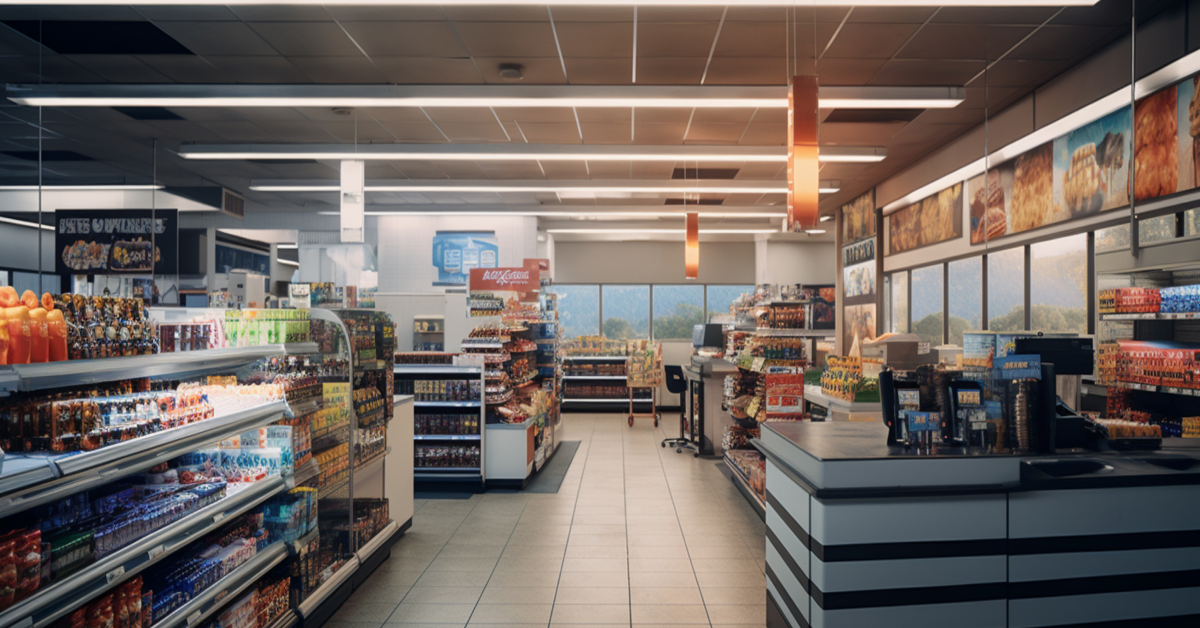
If you run a convenience store, this is your year to shine. The past 12 months proved that c‑stores are more than just a place for impulse snacks and quick fuel. When a store feels like a small neighborhood café backed by smart, simple technology, shoppers reward it with bigger baskets and more repeat visits.

Fuel alone is no longer enough to consistently grow traffic or basket size. While gas still brings cars onto the lot, the stores seeing real momentum are those finding stronger reasons for customers to walk inside and come back more often.